Teaching your child to ride a bike can feel like a big moment. It brings excitement, but it can also bring hesitation, especially when your child feels unsure or loses confidence early.
Teaching your child to ride a bike can feel like a big moment. It brings excitement, but it can also bring hesitation, especially when your child feels unsure or loses confidence early. Many parents face the same challenge. The child struggles with balance, gets nervous about falling, or finds the bike difficult to control.
Most of these issues do not come from ability. They come from how the learning process is handled and how the bike feels during those first attempts. When the bike feels too large or difficult to manage, progress slows down and frustration builds.
That is where choosing the right approach and the right bike matters. Brands like Guardian Bikes focus on designing bikes that help children feel more in control, especially during early learning stages.
When you guide your child step by step and give them time to adjust, learning to ride becomes a smoother and more positive experience. This guide walks you through each stage so you can help your child build confidence without pressure.
Why Kids Struggle to Learn Cycling?
Children rarely struggle because they lack ability. Most challenges come from discomfort, fear, or confusion. When a bike feels difficult to control, your child focuses more on staying upright than actually learning.
A bike that feels too big can make stopping harder. A bike that feels difficult to handle can affect steering. Braking can also feel confusing if your child does not understand how to stop smoothly.
Confidence plays a major role here. When your child feels safe and in control, learning becomes easier. When they feel unsure, even simple movements become difficult.
Understanding these challenges helps you approach teaching with patience and clarity.
Step 1: Start with Balance First
Balance is the first skill your child needs to learn. Without it, pedaling becomes overwhelming.
Start by adjusting the seat so your child can place both feet flat on the ground. Let them walk the bike forward using their feet. This builds comfort and control.
Encourage small glides. Ask your child to push forward and lift their feet for a second, then place them back down. Repeat this process until they feel stable.
Choose a flat and open space for practice. Avoid slopes in the beginning.
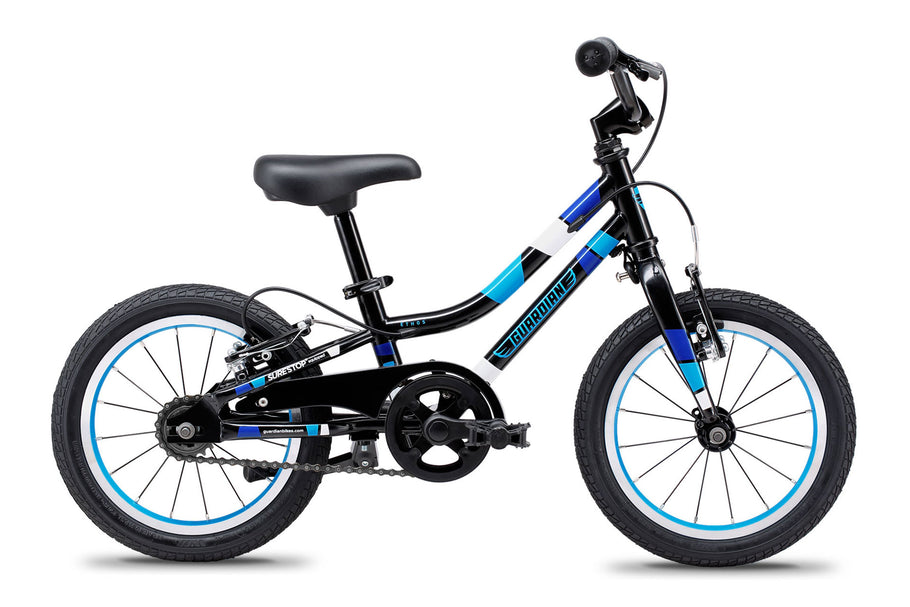
A bike that feels easy to handle helps your child focus on balance rather than struggling with control. Options like the Guardian 14 Inch Bike and Guardian 16 Inch Bike are sized for younger riders and designed to feel more manageable during early learning.
Step 2: Introduce Pedaling Gradually
Once your child can glide comfortably, you can introduce pedaling.
Start with one foot on a pedal while the other pushes off the ground. After gaining a little movement, encourage your child to place both feet on the pedals.
Keep practice sessions short and positive. Your child should feel relaxed, not tired.
You can support lightly from behind if needed, but avoid holding too tightly. Your child should feel like they are doing it themselves.
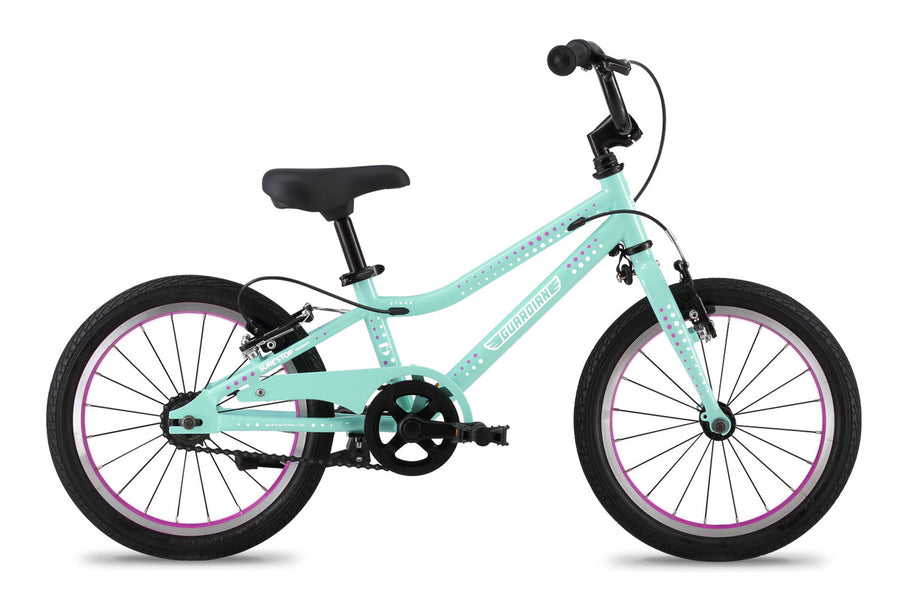
A properly sized bike makes pedaling easier. When your child can reach the pedals comfortably, movement feels natural. Bikes such as the Guardian 16 Inch Bike provide a size that helps children move from balance to pedaling with more confidence.
Step 3: Teach Controlled Braking
Braking is often overlooked, but it is one of the most important parts of learning.
Children need to feel confident stopping the bike without panic. If stopping feels difficult, they may avoid riding faster or exploring.
Start by practicing slow rides followed by gentle stops. Ask your child to ride a short distance and then stop using the brake. Repeat this until the movement feels natural.
Some bikes are designed to help simplify stopping by allowing your child to use one hand to apply braking in a controlled way. This reduces confusion and helps your child feel more secure.
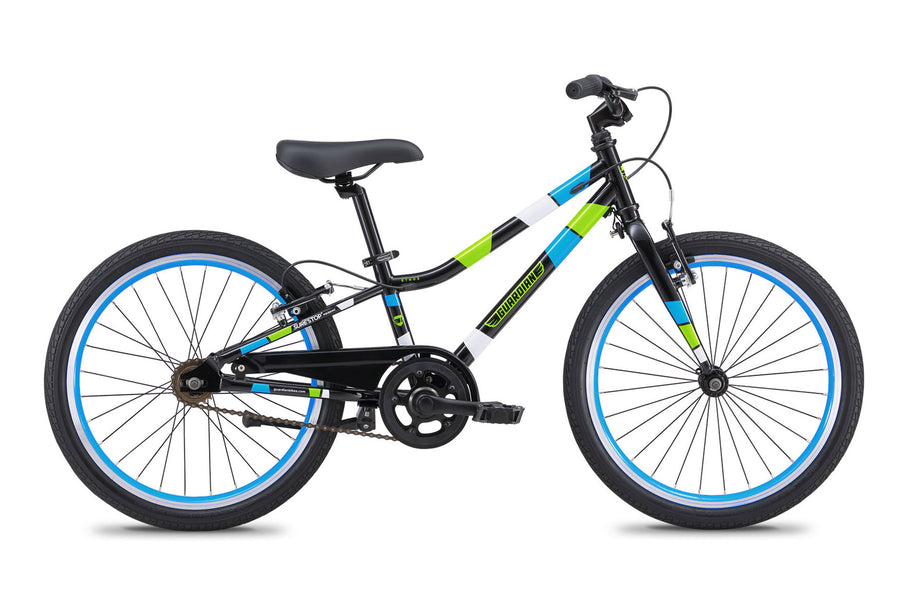
Bikes like the Guardian 14 Inch Bike and Guardian 20 Inch Bike include braking systems intended to help children feel more in control when stopping, especially during early learning stages.
Step 4: Build Confidence Through Practice
Confidence grows through repetition and small successes.
Encourage your child to practice daily for short periods. Even ten minutes can make a difference. Focus on progress rather than perfection.
Celebrate small improvements. A longer glide, smoother pedaling, or a controlled stop all show growth.
Allow your child to ride independently when they feel ready. Stay close, but give them space to explore.
Falling may happen, and that is part of learning. Your calm response helps your child stay confident and continue trying.
Choosing the Right Bike Size
The right bike size plays a major role in how quickly your child learns.
Here is a simple guide:
Age Range
A smaller bike helps beginners feel stable. A larger bike suits children who already feel confident.
Options such as the Guardian 14 Inch Bike, Guardian 16 Inch Bike, and Guardian 20 Inch Bike cover different growth stages, helping your child move forward comfortably as their skills improve.
The brand Guardian Bikes focuses on creating bikes that support control and ease of use, which can make the learning process feel smoother for many children.
Common Mistakes Parents Should Avoid
Small mistakes can slow down your child’s progress.
- Starting pedaling before balance feels natural
- Choosing a bike that feels too large
- Skipping braking practice
- Expecting quick results
- Showing frustration during learning
Patience is key. Every child learns at a different pace.
Helping Your Child Ride with Confidence
Teaching your child to ride a bike becomes easier when you follow a clear process. Balance comes first, then pedaling, and finally controlled stopping. Each step builds confidence and helps your child feel more comfortable on the bike.
Your role is to guide and support without pressure. When your child feels safe, learning becomes natural. Progress may take time, but each small step adds up.
The type of bike also makes a difference. A bike that feels easy to handle and supports control can reduce hesitation and make learning more enjoyable. Options from Guardian Bikes, including their 14-inch, 16-inch, and 20-inch models, are designed to support children at different stages of learning with features that focus on control and ease of use.
With patience and the right approach, your child can move from uncertainty to confidence and enjoy riding as part of everyday life.
Learn how to teach your child to ride a bike with simple steps and tips. Explore beginner-friendly options from Guardian Bikes for easy learning.