
Every dog owner knows the panic that comes from losing sight of their dog, even for a few seconds.
Every dog owner knows the panic that comes from losing sight of their dog, even for a few seconds. Whether it happens during a walk, at a crowded park, while traveling, or simply because someone forgot to close the gate, dogs can disappear faster than most people expect.
For many families, a missing dog is more than an inconvenience. Dogs are companions, protectors, emotional support systems, and beloved members of the household. The fear and uncertainty of not knowing where they are can become overwhelming within moments.
Unfortunately, dogs go missing every day for reasons that are surprisingly common and often preventable. Traditional safety measures like ID tags and microchips are important, but they are usually reactive solutions rather than proactive ones. They help after a dog is found, not while the dog is actively missing.
Modern pet technology is changing that. Smart GPS collars, live location tracking, geofencing, and instant escape alerts are giving dog owners the ability to prevent many disappearances before they become dangerous situations.
Understanding the biggest reasons dogs go missing is the first step toward protecting them more effectively.
Why Dogs Run Away More Often Than People Think
Dogs are naturally curious animals. Even the most obedient dog can suddenly chase a squirrel, follow an interesting scent, panic during loud noises, or wander into unfamiliar territory.
Some dogs are escape artists by nature. Others only need a single unexpected moment to disappear. What makes these situations especially dangerous is how quickly they happen.
A dog can run through an open gate in seconds. A leash can slip during a crowded event. A nervous dog can bolt during a gas station stop on a road trip. Even experienced owners can face situations they never expected.
The problem is not always poor training or careless ownership. Many disappearances happen during normal daily activities.
That is why proactive prevention matters more than ever.
Open Gates and Backyard Escapes
One of the most common reasons dogs go missing is surprisingly simple: someone leaves a gate open.
It might be a delivery driver, a child playing outside, a visitor unfamiliar with the house, or even the owner rushing through a busy day. Dogs often notice these opportunities immediately.
Some dogs quietly wander out to explore nearby streets. Others sprint away excitedly and quickly move beyond familiar areas. Once adrenaline and excitement kick in, even well-trained dogs may ignore recall commands.
Traditional fences help, but they are not foolproof. Dogs can dig underneath them, jump over them, or escape through damaged sections.
This is where smart technology becomes valuable.
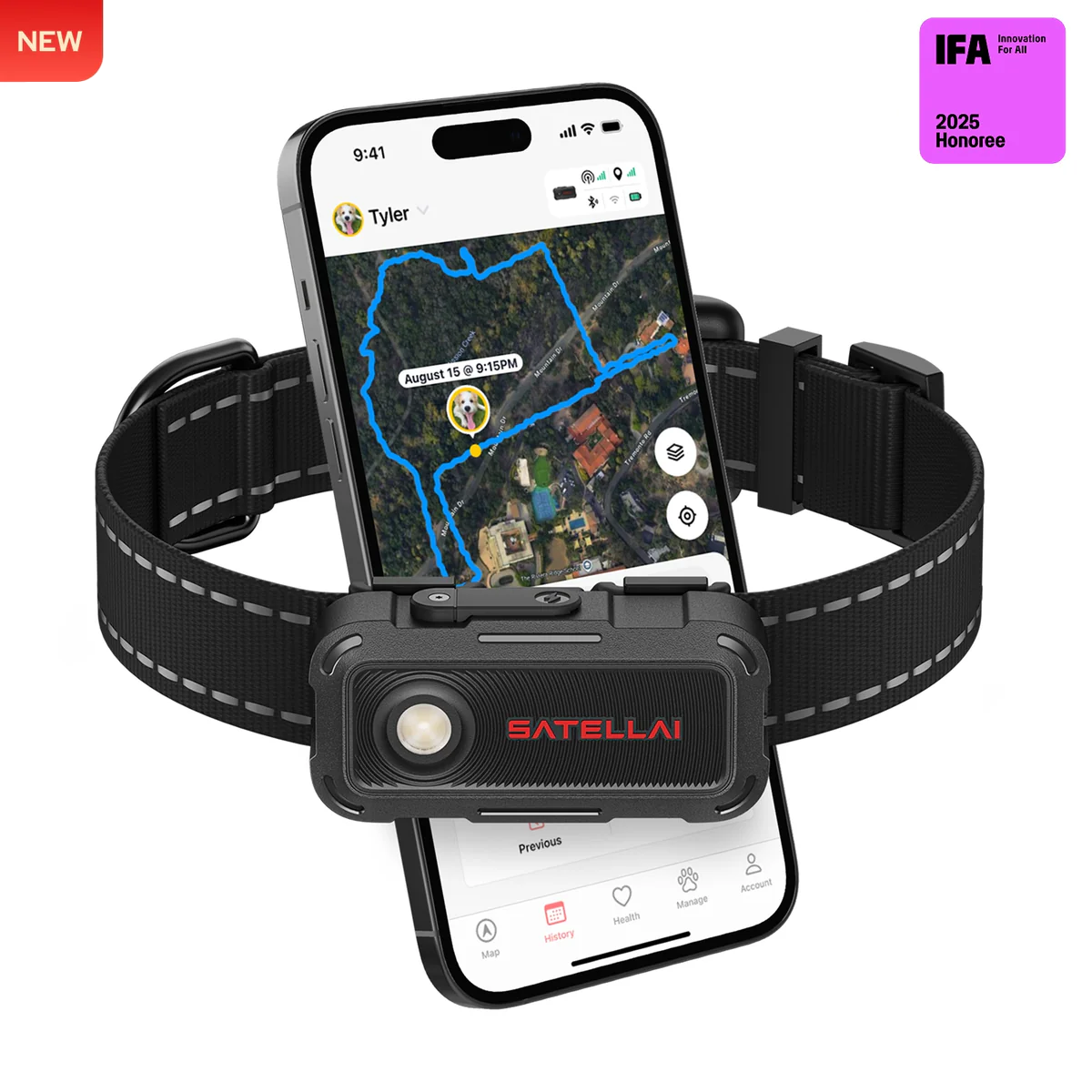
Modern GPS collars with geofencing features allow owners to create virtual safety boundaries around their homes. If a dog leaves that designated area, the owner immediately receives an alert on their phone.
Instead of discovering the problem several minutes or hours later, owners can react instantly while the dog is still nearby.
Real-time location tracking also removes much of the uncertainty during a search. Instead of driving around neighborhoods hoping someone spots the dog, owners can monitor the dog’s location directly from their smartphone.
Off-Leash Parks and Unexpected Distractions
Dog parks offer exercise, socialization, and freedom, but they also introduce unpredictable environments filled with distractions.
Even dogs with strong recall training can become overstimulated around other animals, loud noises, bicycles, wildlife, or unfamiliar people.
Some dogs chase after another dog and accidentally exit the park. Others become frightened during conflicts or rough play and run away in panic.
Large parks with wooded areas or multiple entrances create additional risks because dogs can disappear from sight very quickly.
Many owners assume their dog would never run away during playtime until it actually happens.
Smart GPS collars add an important layer of protection during off-leash activities. Live tracking helps owners locate dogs immediately if they wander too far, while escape notifications can warn owners when dogs leave a designated area.
Instead of relying solely on visual supervision, owners gain continuous awareness of their dog’s location.
This becomes especially useful in crowded parks where visibility changes constantly.
Hiking Trails and Outdoor Adventures
Hiking with dogs has become increasingly popular, but outdoor adventures come with unique dangers.
Forests, mountains, lakes, and remote trails expose dogs to wildlife scents, unfamiliar terrain, sudden noises, and long-distance distractions. Dogs can easily disappear around bends, through dense trees, or down side trails.
In unfamiliar environments, dogs often lose their sense of direction faster than owners expect.
Even experienced hiking dogs can become separated after chasing animals or exploring too far ahead. In some situations, changing weather or poor cell coverage can make searches even more difficult.
Many lost dogs on hiking trails are eventually found miles away from where they disappeared.
This is one of the strongest use cases for live GPS tracking technology.
A smart collar with real-time location monitoring allows owners to track their dog’s movement even when visual contact is lost. Instead of blindly searching trails, owners can follow location updates directly.
Advanced collars like Collar Go also provide escape alerts and activity tracking, helping owners understand movement patterns during outdoor adventures.
For active dog owners who camp, hike, or explore remote areas regularly, GPS technology offers peace of mind that traditional ID tags simply cannot provide.
Travel Stops and Road Trip Escapes
Travel creates unfamiliar and stressful situations for many dogs.
Gas stations, hotel parking lots, rest stops, campsites, and busy roads are common places where dogs accidentally escape. A dog may slip out of a car door before the owner fully grabs the leash. Loud traffic noises can trigger panic responses. New environments can overwhelm dogs that normally behave calmly at home.
Unfortunately, travel-related disappearances are especially dangerous because dogs are often lost in unfamiliar cities or areas far from home.
Without local familiarity, dogs struggle to find their way back.
This is why proactive tracking technology has become increasingly important for traveling pet owners.
GPS collars with nationwide or global tracking coverage allow owners to monitor dogs no matter where they travel. Instant notifications help owners react immediately if a dog leaves a safe area.
Instead of relying on posters, social media posts, or local shelters alone, owners can actively track the dog’s location in real time.
For families who frequently road trip, camp, or vacation with pets, smart tracking technology adds an extra layer of travel safety that can dramatically reduce recovery time.
Fear and Noise-Triggered Escapes
Some dogs do not run away because they are adventurous. They run because they are scared.
Thunderstorms, fireworks, construction noise, sirens, and crowded environments can trigger panic responses that override training completely.
During holidays like the Fourth of July or New Year’s Eve, animal shelters often report major increases in missing pets because frightened dogs escape yards, break leashes, or push through doors and windows.
Fearful dogs tend to run farther and hide more carefully than curious dogs, which can make recovery harder.
This is another area where immediate alerts and live tracking become extremely valuable.
If a frightened dog escapes during a stressful event, owners can start tracking immediately instead of discovering the disappearance after the situation has calmed down.
Fast response times often make a major difference in successful recoveries.
The Limitations of Traditional Dog Safety Methods
Many owners still rely primarily on collars with ID tags and microchips. While both are important, they have limitations.
ID tags only work if someone finds the dog and chooses to contact the owner.
Microchips are extremely useful but require someone to physically bring the dog to a veterinarian or shelter for scanning.
Neither option helps owners actively locate their dog during the critical first hours after a disappearance.
This delay can become dangerous because dogs may continue moving farther away, cross roads, encounter wildlife, or become injured.
Smart tracking technology changes the entire approach from reactive recovery to proactive prevention.
Instead of waiting for someone else to find the dog, owners can receive alerts instantly and track their dog’s location themselves.
That speed can significantly improve outcomes.
How Geofencing Helps Prevent Escapes
Geofencing is one of the most valuable features in modern smart dog collars.
A geofence is a virtual boundary that owners create around a safe area, such as a backyard, campsite, neighborhood, or park.
If the dog crosses that boundary, the owner receives an immediate alert.
This technology acts almost like a digital safety net. Instead of realizing a dog is missing minutes later, owners know the moment the dog leaves the safe zone.
For busy households, this can be especially useful.
Children may accidentally leave doors open. Visitors may not secure gates properly. During parties or gatherings, dogs may slip outside unnoticed.
Geofencing reduces the time between escape and response, which is often the most important factor in successful recovery.
Why Real-Time GPS Tracking Matters
Not all tracking systems are equally effective.
Basic Bluetooth trackers only work within short distances and depend heavily on nearby devices. They may help locate lost keys indoors, but they are often unreliable for active dogs outdoors.
Real GPS tracking provides significantly greater accuracy and range.
With live GPS monitoring, owners can see where their dog is moving in real time rather than relying on delayed updates or limited-range signals.
This becomes incredibly important in situations where dogs are constantly moving, such as hiking trails, urban streets, or crowded public spaces.
Modern smart collars also allow owners to check location history, helping identify common escape routes or behavior patterns.
This information can help owners improve long-term safety and training strategies.
How Smart Technology Supports Responsible Pet Ownership
Technology should never replace proper training, supervision, or responsible care. However, it can provide valuable support in unpredictable situations.
Even responsible owners experience accidents. Leashes break. Doors get left open. Loud noises cause panic. Dogs react instinctively.
Smart safety tools simply reduce the risks associated with those moments.
GPS collars, activity tracking, health monitoring, and escape alerts create an additional layer of awareness that helps owners react faster and make better decisions.
For many dog owners, this technology also provides peace of mind during everyday life.
Knowing that your dog can be located quickly if something unexpected happens reduces anxiety during walks, travel, outdoor adventures, and off-leash activities.
Why Collar Go Fits Modern Dog Safety Needs
As dog ownership evolves, many pet owners want more than a basic collar or ID tag.
They want tools that actively help protect their dogs in real time.
Collar Go is designed around that proactive approach to safety. Features like live GPS tracking, virtual geofencing, and instant escape alerts help owners respond quickly when dogs wander beyond safe areas.
For outdoor adventures, travel, and everyday use, real-time location tracking adds a level of awareness that traditional methods cannot match.
The collar also supports activity monitoring and smart insights, helping owners stay informed about their dog’s movement patterns and behavior throughout the day.
Instead of relying only on reactive recovery methods, smart technology allows owners to focus on prevention and immediate response.
That shift can make an enormous difference when every minute matters.
Building a Safer Future for Dogs
Dogs go missing for many reasons, but most disappearances share one thing in common: they happen fast.
A single distracted moment can lead to hours of fear and uncertainty.
While no technology can eliminate every risk completely, modern smart tracking systems are helping owners prevent many situations from becoming emergencies.
Real-time GPS tracking, geofencing, and instant alerts give owners tools that simply did not exist a few years ago.
As more families travel with pets, explore outdoors, and embrace active lifestyles, proactive safety technology is becoming an important part of responsible dog ownership.
The goal is not just finding lost dogs faster. The goal is preventing dogs from becoming truly lost in the first place.
For today’s pet owners, smart technology is making that goal more achievable than ever before.