If you've ever come home to find a chewed-up shoe, scratched furniture, torn cushions, or a dog obsessively licking its paws, you're not alone.
If you've ever come home to find a chewed-up shoe, scratched furniture, torn cushions, or a dog obsessively licking its paws, you're not alone. Destructive habits are among the most common behavioral challenges dog owners face. While these behaviors can be frustrating, they rarely happen without a reason.
Many dog owners assume their pet is being stubborn, disobedient, or seeking attention. In reality, destructive behaviors often stem from underlying physical or emotional needs that have not been fully addressed. Stress, anxiety, boredom, itching, discomfort, and even environmental changes can all contribute to behaviors that damage your home and affect your dog's well-being.
The good news is that understanding the root cause of these habits makes them much easier to manage. Rather than simply punishing the behavior, a more effective approach focuses on identifying the triggers and providing healthy alternatives.
In this guide, we'll explore why dogs develop destructive habits and how natural solutions can help break the cycle for good.
Understanding Destructive Behavior in Dogs
Destructive behavior is any action that causes damage to household items, furniture, belongings, or even the dog's own body. Common examples include:
- Chewing furniture
- Destroying shoes
- Scratching doors and walls
- Digging excessively
- Licking paws obsessively
- Biting or chewing bandages
- Excessive scratching
- Pulling apart cushions or bedding
While these actions may appear unrelated, they often share similar underlying causes. Dogs use behaviors like chewing, licking, and scratching as coping mechanisms when something is physically or emotionally bothering them.
The key to solving the problem is understanding what your dog is trying to communicate.
Stress and Anxiety: One of the Biggest Causes of Destructive Habits
Anxiety is one of the leading contributors to destructive behavior in dogs.
When dogs feel stressed, their bodies release hormones that increase tension and restlessness. Since dogs cannot verbally express their emotions, they often release that energy through physical behaviors.
Common anxiety triggers include:
- Separation from family members
- Loud noises
- New environments
- Changes in routine
- Travel
- Visitors in the home
- Other pets
- Veterinary visits
A stressed dog may chew furniture, scratch doors, lick its paws, or destroy household items while attempting to self-soothe.
Many owners notice destructive behavior shortly after leaving the house. This is often a sign of separation-related anxiety rather than simple mischief.
Addressing emotional stress is essential because no amount of discipline can eliminate a behavior that is rooted in anxiety.
How Calming Support Can Help Anxious Dogs
For dogs that struggle with stress and nervousness, calming support can play an important role in reducing destructive behaviors.
Natural calming supplements are designed to help dogs feel more relaxed without causing excessive drowsiness. Ingredients commonly used in calming products can support emotional balance and help dogs cope with stressful situations more effectively.
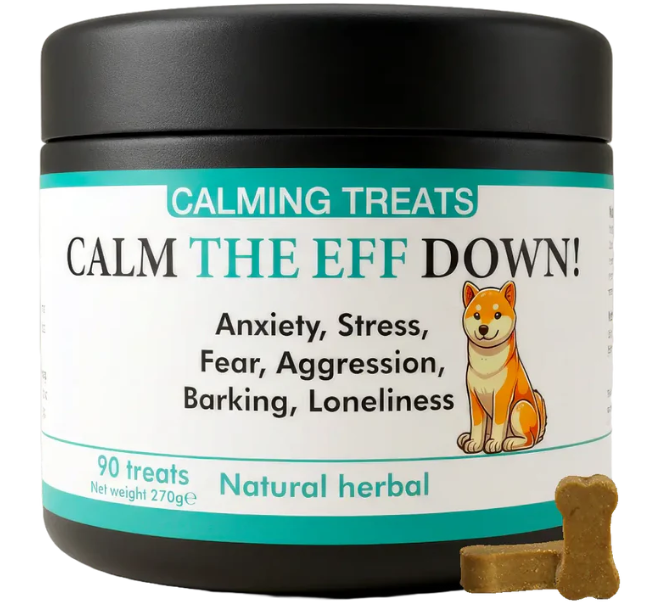
Pets Calm Down Herbal Natural Calming Dog Treats provide emotional support for anxious dogs by helping them stay calm during stressful situations. Whether your dog becomes nervous during thunderstorms, travel, separation, or household changes, calming treats can help reduce the emotional tension that often contributes to chewing, scratching, and destructive habits.
When dogs feel more relaxed, they are often less likely to seek relief through unwanted behaviors.
Boredom: The Silent Trigger Behind Destructive Chewing
Dogs are intelligent animals that require both physical exercise and mental stimulation.
When a dog's mind is under-stimulated, it will often find its own entertainment. Unfortunately, that entertainment frequently involves your belongings.
Signs of boredom-related behavior include:
- Chewing furniture
- Tearing apart toys
- Digging holes
- Excessive barking
- Stealing household items
- Restlessness
Certain breeds are especially prone to boredom because they were originally bred for active working roles. Herding dogs, sporting dogs, and highly intelligent breeds often require significant mental engagement to stay satisfied.
Without appropriate outlets, their energy can quickly turn into destructive habits.
Why Chewing Feels Rewarding to Dogs
Chewing is a natural behavior.
Dogs chew to:
- Relieve stress
- Explore their environment
- Soothe discomfort
- Release excess energy
- Occupy themselves
Because chewing provides immediate satisfaction, it can become a self-reinforcing habit.
For example, if a dog chews a shoe whenever it feels bored, the act itself becomes rewarding. Over time, the behavior may become a routine response whenever the dog feels understimulated.
This is why simply removing damaged items rarely solves the underlying issue.
The Role of Itching and Physical Discomfort
Not all destructive behavior is caused by emotional triggers.
Physical discomfort is another major contributor that many owners overlook.
Dogs experiencing itchy skin, irritation, or insect-related discomfort often engage in repetitive behaviors such as:
- Licking paws
- Biting skin
- Scratching excessively
- Chewing irritated areas
- Rubbing against furniture
What starts as mild discomfort can quickly develop into a habit.
As the dog continues scratching or chewing, skin irritation may worsen, creating an ongoing cycle of discomfort and repetitive behavior.
In some cases, owners mistakenly view these actions as behavioral problems when they are actually responses to physical irritation.
Common Causes of Itchy Skin in Dogs
Several factors can contribute to itching and discomfort, including:
Fleas and Mites
Even a small number of parasites can trigger significant irritation and scratching.
Environmental Allergens
Pollen, dust, grass, and mold can contribute to skin sensitivity.
Dry Skin
Seasonal weather changes can leave skin dry and uncomfortable.
Poor Coat Condition
A dirty or unhealthy coat may trap irritants against the skin.
Sensitive Skin
Some dogs naturally have more reactive skin than others.
Regardless of the cause, persistent itching often increases licking and chewing behaviors.
Supporting Skin Health Naturally
Maintaining healthy skin and coat condition is an important part of reducing destructive habits linked to discomfort.
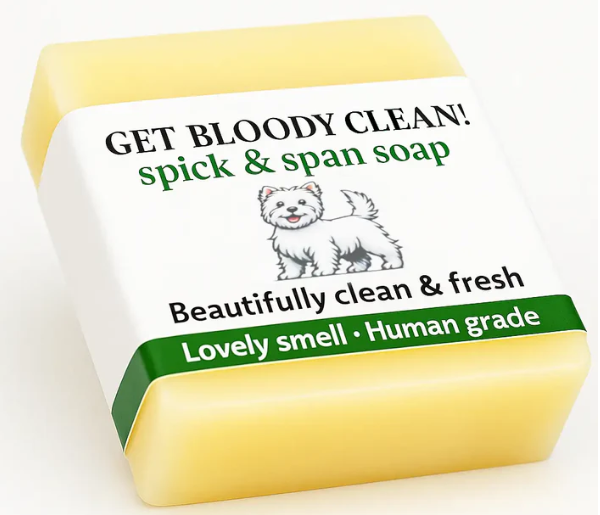
Pets Calm Down Neem Oil & Tea Tree Dog Shampoo Soap Bar is designed to help cleanse the coat while supporting skin comfort. Neem oil and tea tree ingredients have long been valued for their cleansing properties and are commonly used in natural grooming products.
Regular bathing with a quality shampoo can help remove dirt, environmental irritants, and buildup that may contribute to discomfort. For dogs that scratch, lick, or chew due to skin irritation, maintaining healthy skin hygiene can be an important part of a broader management plan.
When dogs feel physically comfortable, they are less likely to engage in repetitive scratching and chewing behaviors.
Why Some Dogs Chew Furniture and Household Items
Furniture often becomes a target because it is constantly accessible.
Unlike designated chew toys, furniture carries familiar scents and textures that many dogs find appealing.
Dogs may chew:
- Sofa corners
- Chair legs
- Wooden furniture
- Carpets
- Shoes
- Clothing
- Blankets
In many cases, chewing becomes a learned behavior that continues even after the original trigger has passed.
This is where training tools can help interrupt the cycle.
Using Training Aids to Redirect Unwanted Chewing
Stopping destructive chewing requires consistency.
One effective strategy is making inappropriate chewing targets less appealing while encouraging appropriate alternatives.
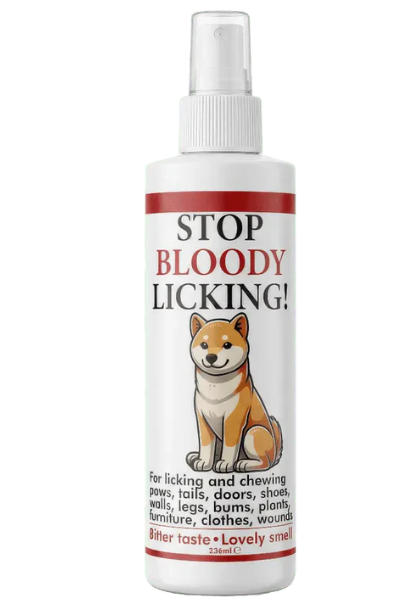
Pets Calm Down Bitter Anti-Chew Spray is designed to discourage dogs from chewing furniture, shoes, bandages, and other household items. The unpleasant taste helps create a negative association with objects that should not be chewed.
This approach works best when combined with:
- Positive reinforcement
- Appropriate chew toys
- Physical exercise
- Mental enrichment
- Anxiety management
Rather than punishing the dog, anti-chew sprays help guide behavior toward better choices.
Why Punishment Often Fails
Many owners instinctively scold their dogs after discovering damage.
Unfortunately, punishment rarely addresses the root cause.
Dogs often connect punishment with the owner's presence rather than with the earlier behavior. As a result, punishment may increase stress and confusion without preventing future incidents.
In some cases, punishment can actually worsen destructive habits by increasing anxiety.
A more effective approach focuses on prevention, management, and addressing underlying emotional or physical needs.
Creating a Natural Plan to Break the Cycle
Successful behavior improvement usually requires a combination of strategies.
Step 1: Identify the Trigger
Ask yourself:
- Is my dog bored?
- Is my dog anxious?
- Could itching be causing discomfort?
- Has something changed in our routine?
Understanding the trigger helps guide the solution.
Step 2: Increase Mental Enrichment
Provide activities that challenge your dog's mind.
Examples include:
- Puzzle toys
- Training sessions
- Scent games
- Food-dispensing toys
- Interactive play
Mental stimulation can significantly reduce boredom-related behaviors.
Step 3: Support Emotional Wellness
Dogs experiencing stress may benefit from calming support.
Using Herbal Natural Calming Dog Treats as part of a daily routine can help support emotional balance and reduce anxiety-driven behaviors.
Step 4: Address Skin Comfort
If your dog frequently scratches, licks, or chews itself, evaluate possible skin-related causes.
Regular grooming and cleansing with the Neem Oil & Tea Tree Dog Shampoo Soap Bar can help support healthy skin and coat maintenance.
Step 5: Redirect Unwanted Chewing
Protect household items with Bitter Anti-Chew Spray while providing acceptable chewing alternatives.
Consistency is key. Every family member should follow the same approach to reinforce good habits.
The Importance of Patience and Consistency
Behavior change does not happen overnight.
Many destructive habits develop over weeks, months, or even years. Breaking those habits requires patience and repetition.
Celebrate small improvements and focus on long-term progress rather than immediate perfection.
Dogs learn best when they feel safe, supported, and understood.
A Whole-Dog Approach to Better Behavior
The most effective solutions address both the emotional and physical factors that contribute to destructive habits.
A dog that is calm, mentally stimulated, physically comfortable, and properly guided is far less likely to engage in destructive behavior.
This is why a comprehensive approach often produces the best results.
Pets Calm Down offers solutions that target both the emotional and physical causes of destructive habits. Herbal Natural Calming Dog Treats help support emotional balance, the Bitter Anti-Chew Spray assists with training and behavior management, and the Neem Oil & Tea Tree Dog Shampoo Soap Bar supports skin comfort and coat care.
Together, these tools can help create an environment where dogs feel more comfortable, more confident, and less likely to rely on destructive behaviors as a coping mechanism.
Conclusion
Destructive habits are rarely random. Whether your dog is chewing furniture, scratching excessively, licking its paws, or destroying household items, there is usually an underlying reason behind the behavior.
Stress, anxiety, boredom, itching, and discomfort are among the most common triggers. By identifying these root causes and addressing them with a thoughtful, natural approach, dog owners can help their pets develop healthier coping mechanisms.
The goal is not simply to stop unwanted behaviors but to improve your dog's overall quality of life. When emotional well-being, physical comfort, and proper training come together, destructive habits become much easier to manage and prevent.