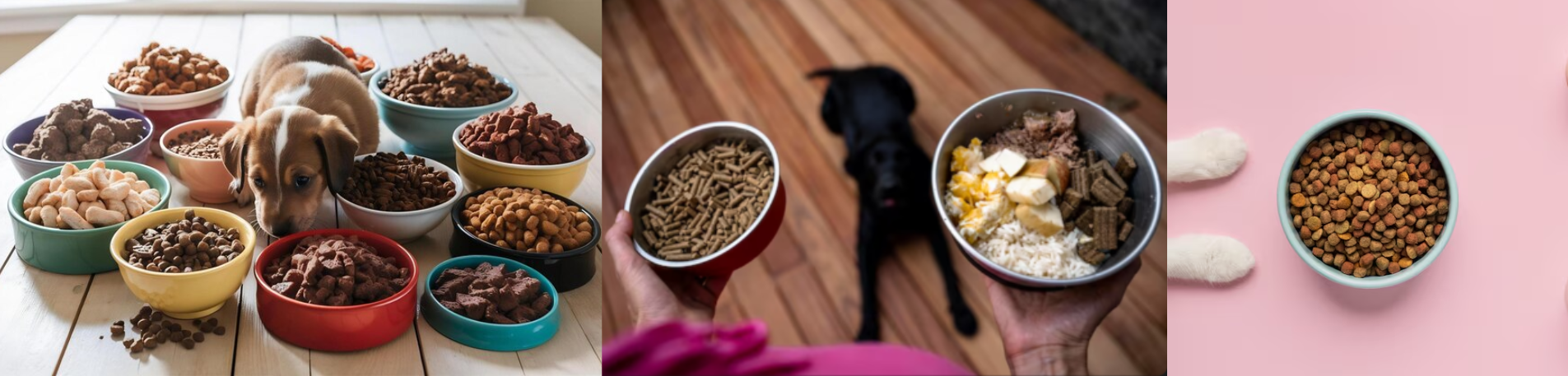
Cat owners today are paying closer attention to what goes into their pets’ food than ever before. Instead of relying on flashy packaging or vague marketing claims.
Cat owners today are paying closer attention to what goes into their pets’ food than ever before. Instead of relying on flashy packaging or vague marketing claims, many people are now reading ingredient labels carefully and questioning what those ingredients actually mean.
This shift has led to growing demand for transparent cat food ingredients, clean cat food brands, and natural wet cat food made with clearly identified proteins and fewer unnecessary fillers.
Ingredient transparency is not just a marketing trend. It directly affects your cat’s nutrition, digestion, energy levels, long-term health, and even food safety. When companies clearly disclose what is inside their recipes, pet owners can make more informed choices and feel confident about what they are feeding every day.
On the other hand, vague ingredient labels can create confusion and uncertainty. Terms like “meat by-products,” “animal digest,” or “poultry meal” often leave cat owners wondering exactly what their cat is eating.
Understanding the difference between transparent ingredients and unclear labeling is one of the most important steps toward choosing healthier food for your cat.
What Ingredient Transparency Really Means
Ingredient transparency means that a pet food company clearly identifies the ingredients used in its recipes without relying on vague or misleading terminology.
Instead of generic labels such as:
- Meat by-products
- Animal derivatives
- Poultry meal
- Meat meal
Transparent brands use specific ingredient names like:
- Beef liver
- Chicken liver
- Chicken heart
- Beef lung
- Salmon oil
This level of detail matters because it tells pet owners exactly which animal proteins and nutrients are included in the food.
Transparent ingredient lists also help owners understand the quality and purpose of each ingredient. Rather than hiding behind broad terms, companies openly communicate what is inside the recipe and why those ingredients are beneficial.
This openness builds trust between pet food companies and consumers while supporting better nutritional decisions for cats.
Why Cats Need High-Quality Animal Ingredients
Cats are obligate carnivores. Their bodies are biologically designed to thrive on animal-based protein and nutrients found primarily in meat and organs.
Unlike humans or dogs, cats have very limited nutritional requirements for carbohydrates. They rely heavily on amino acids, fatty acids, vitamins, and minerals naturally present in animal tissue.
That is why ingredient quality matters so much in cat food.
High-quality animal ingredients provide essential nutrients such as:
- Taurine for heart and eye health
- Protein for muscle maintenance
- Omega fatty acids for skin and coat health
- Iron and B vitamins for energy support
- Amino acids for immune function
When cat food labels clearly identify ingredients like beef liver or chicken liver, owners can better evaluate whether the recipe supports their cat’s natural dietary needs.
Named ingredients also make it easier to identify food sensitivities or allergies if they occur.
The Problem With Vague Ingredient Labels
Many cat food products still use broad or unclear ingredient descriptions that provide little information about the actual protein source or ingredient quality.
One of the most criticized examples is “meat by-products.”
While by-products can sometimes include nutritious organ meats, the term itself is extremely broad. It may refer to various animal parts that are not specifically identified on the label.
This creates several concerns for pet owners.
Uncertainty About Protein Sources
When labels simply say “meat by-products” or “animal meal,” consumers do not know which animal species are included.
This can become problematic for cats with food allergies or sensitivities. A cat allergic to chicken may still react to food containing unnamed poultry ingredients.
Inconsistent Ingredient Quality
Vague ingredient labels can also make it difficult to judge consistency from batch to batch.
Transparent brands tend to prioritize stable sourcing and clearly defined recipes. Unclear labeling may leave room for ingredient substitutions without consumers fully understanding the changes.
Reduced Consumer Trust
Modern pet owners increasingly want honesty and traceability in the products they purchase.
When companies avoid naming their ingredients clearly, it can create skepticism about ingredient quality and sourcing practices.
Trust matters deeply in pet nutrition because owners are responsible for their pets’ long-term health and well-being.
Why Named Organ Meats Are Valuable for Cats
Some cat owners misunderstand organ meats because they are often associated with low-quality pet food marketing. In reality, properly sourced organ meats are some of the most nutrient-dense ingredients cats can eat.
The key difference lies in transparency.
There is a major difference between:
- Clearly labeled beef liver
- Clearly labeled chicken liver
and vague terms like:
- Animal by-products
- Meat derivatives
Named organ meats provide important nutrients that support feline health naturally.
Beef Liver
Beef liver contains:
- Vitamin A
- Iron
- Copper
- B vitamins
- High-quality protein
It is highly palatable for many cats and contributes to balanced nutrition.
Chicken Liver
Chicken liver is another nutrient-rich ingredient commonly used in premium wet cat food recipes.
It supports:
- Healthy metabolism
- Energy production
- Immune support
- Muscle maintenance
When cat food brands specifically identify these ingredients, owners know exactly what their cat is consuming.
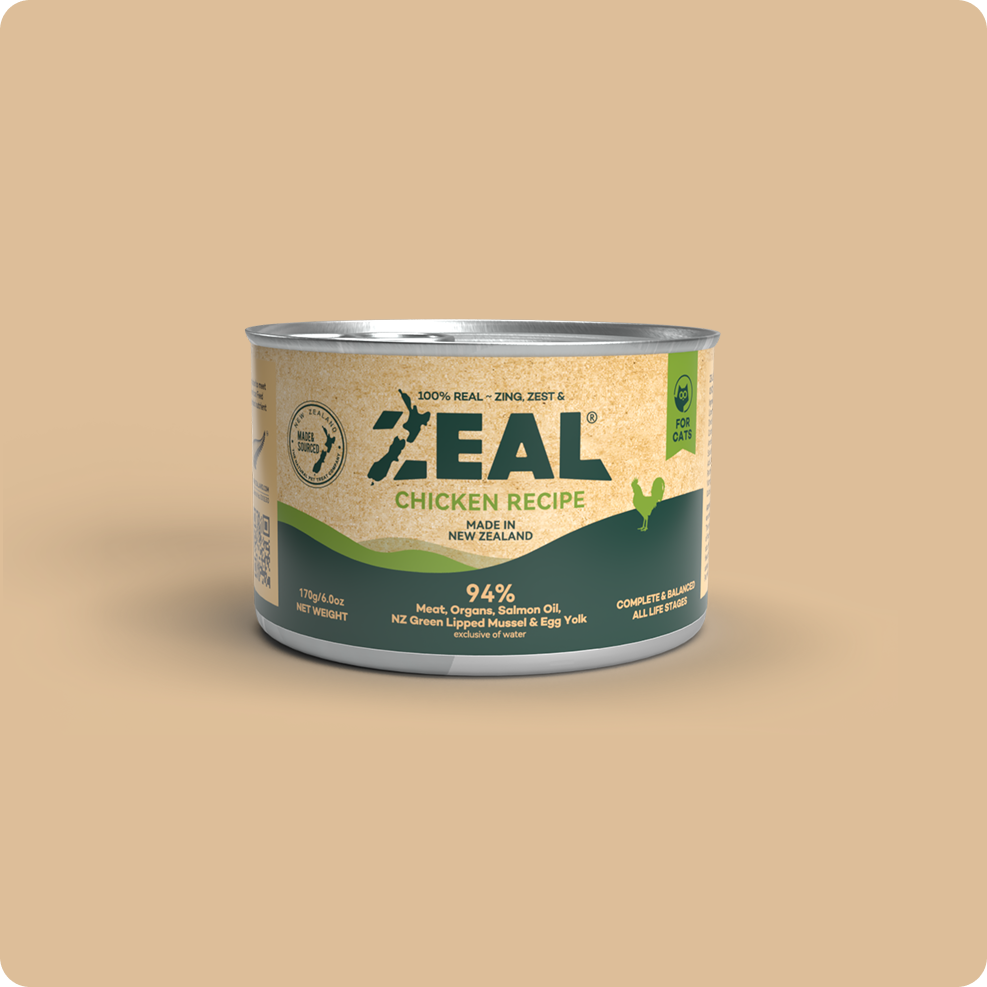
Why Wet Cat Food Often Offers Better Transparency
Premium wet cat food brands frequently focus more heavily on visible, animal-based ingredients compared to highly processed dry kibble.
Wet food recipes often contain:
- Higher moisture levels
- Larger proportions of animal protein
- Fewer carbohydrates
- More clearly identifiable ingredients
For example, ingredient lists in natural wet cat food may include recognizable items such as:
- Beef
- Chicken
- Liver
- Broth
- Salmon oil
These ingredients are easier for consumers to understand compared to heavily processed additives or generic meat meals.
Moisture-rich wet food also more closely resembles the natural hydration cats would obtain from prey in the wild.
The Rise of Clean Cat Food Brands
As pet owners become more educated about feline nutrition, demand for clean cat food brands continues to grow.
Clean-label pet foods typically focus on:
- Transparent ingredient sourcing
- Minimal processing
- Clearly identified proteins
- No artificial preservatives
- No unnecessary fillers
- Grain-free or limited ingredient formulas
Consumers increasingly associate transparency with higher quality and greater accountability.
This trend mirrors what has already happened in human food markets, where shoppers now expect brands to disclose sourcing practices and ingredient details openly.
Pet owners want the same standards for their cats.
How Ingredient Transparency Helps Cats With Food Sensitivities
Food sensitivities are becoming more commonly recognized in cats.
Some cats may experience symptoms such as:
- Digestive upset
- Vomiting
- Diarrhea
- Excessive scratching
- Skin irritation
- Ear inflammation
When ingredient labels are vague, identifying potential triggers becomes far more difficult.
Transparent labels make elimination diets and ingredient monitoring much easier.
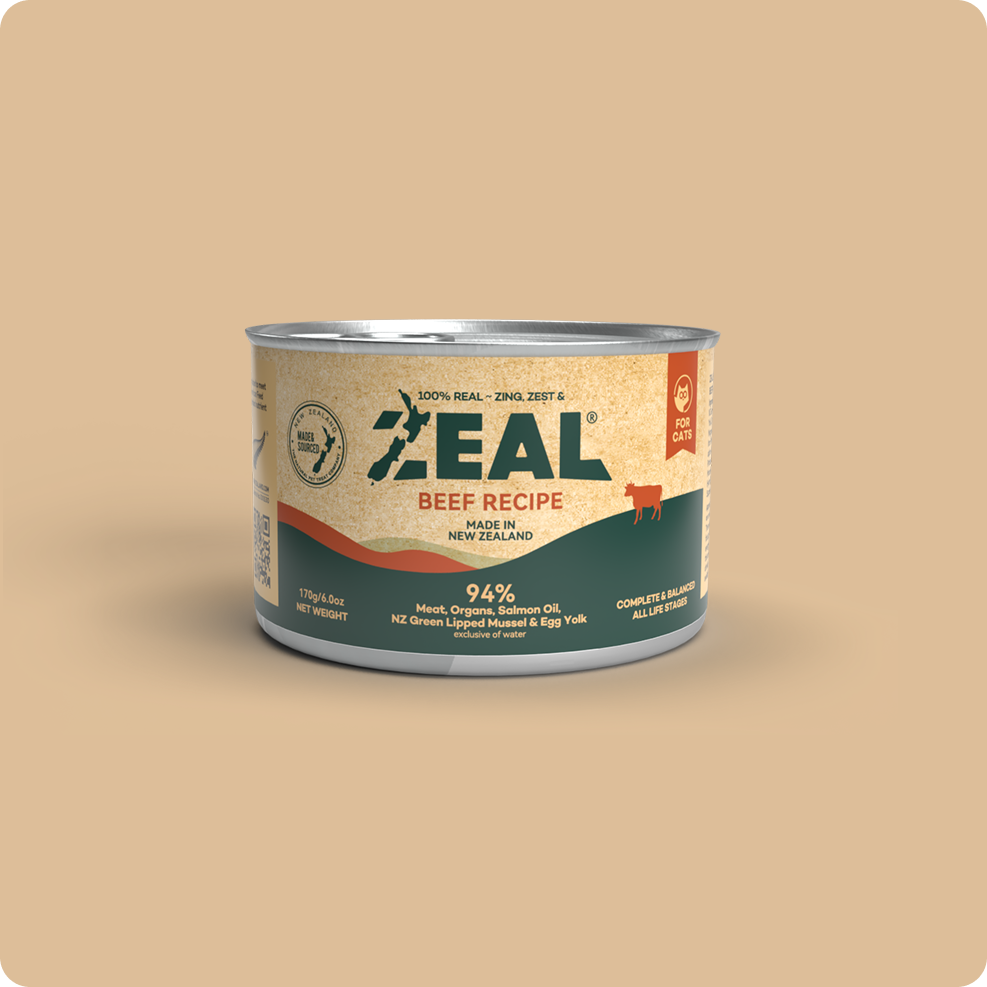
For example, a clearly labeled recipe containing chicken liver allows owners to know exactly which proteins are present.
This precision helps veterinarians and pet owners narrow down possible allergens more effectively.
Understanding Fillers and Unnecessary Ingredients
Another major reason ingredient transparency matters is the growing concern around fillers and low-value additives.
Some cat foods rely heavily on inexpensive carbohydrates and fillers such as:
- Corn
- Wheat
- Soy
- Artificial colors
- Artificial flavors
While not all carbohydrates are inherently harmful, excessive filler content may reduce the overall protein quality of the diet.
Cats naturally require diets centered around animal nutrition rather than plant-heavy formulas.
Transparent cat food ingredients help owners distinguish between:
- Nutrient-focused recipes
- Heavily processed formulas padded with fillers
The simpler and more understandable the ingredient list, the easier it becomes to evaluate nutritional quality.
Why Transparency Builds Consumer Confidence
Pet owners view cats as family members. Because of this emotional connection, trust plays a major role in purchasing decisions.
Transparent labeling helps reassure consumers that brands are prioritizing quality and honesty rather than relying on confusing terminology.
Clear ingredient disclosure communicates several positive signals:
- Confidence in sourcing
- Accountability
- Commitment to quality
- Respect for informed consumers
When pet food companies openly identify ingredients and explain their purpose, customers are more likely to develop long-term loyalty.
The Importance of Sourcing Transparency
Ingredient transparency goes beyond simply naming ingredients. Many consumers also want to know where ingredients come from.
Questions pet owners increasingly ask include:
- Is the meat ethically sourced?
- Are ingredients traceable?
- Are artificial preservatives used?
- Where is the food manufactured?
- What quality standards are followed?
Brands that provide detailed sourcing information often stand out in the competitive pet food market.
Transparency about sourcing helps consumers feel more confident about ingredient safety and consistency.
How to Read a Cat Food Ingredient Label
Learning to interpret ingredient labels can help cat owners make smarter feeding decisions.
Here are several things to look for when evaluating cat food.
Named Animal Proteins
Look for clearly identified proteins such as:
- Chicken
- Beef
- Turkey
- Salmon
Named proteins should appear near the beginning of the ingredient list.
Named Organ Meats
Ingredients like:
- Beef liver
- Chicken liver
- Heart
- Kidney
can provide excellent nutritional value.
Limited Artificial Additives
Avoid recipes overloaded with:
- Artificial colors
- Artificial flavors
- Chemical preservatives
Moisture Content
Wet food with high moisture content can support hydration and urinary health.
Minimal Fillers
Look for recipes focused primarily on animal nutrition rather than excessive carbohydrates or fillers.
Why Simpler Ingredient Lists Are Often Better
Many premium cat foods now embrace simpler formulations with fewer unnecessary ingredients.
Simpler ingredient lists can offer several advantages:
- Easier digestion
- Reduced allergy risks
- Greater transparency
- Better owner understanding
- More species-appropriate nutrition
Consumers often feel more comfortable when they recognize and understand every ingredient listed on the label.
The Shift Toward Natural Wet Cat Food
Natural wet cat food continues to gain popularity because it aligns more closely with how cats naturally eat.
Many natural wet food recipes emphasize:
- Real meat
- Organ meats
- Broth-based moisture
- Minimal processing
- No artificial additives
These products appeal to owners seeking more biologically appropriate nutrition for their cats.
Transparency plays a central role in this movement because consumers want proof that the ingredients match the marketing claims.
Why Trust Matters in Pet Nutrition
Pet food companies play an important role in animal health. Consumers rely on them to provide safe, nutritious, and honestly labeled products.
When ingredient labels are transparent, owners feel empowered rather than confused.
Trust becomes especially important because cats often eat the same food every day for extended periods. Small nutritional differences can have long-term impacts over time.
Companies that embrace ingredient transparency demonstrate respect for both pets and their owners.
Choosing Cat Food With Confidence
With so many cat food options available today, ingredient transparency can serve as one of the most reliable indicators of product quality.
Clear labeling helps owners:
- Understand protein sources
- Evaluate nutritional quality
- Identify allergens
- Avoid unnecessary fillers
- Make informed feeding choices
Instead of relying solely on marketing claims, consumers can focus on what truly matters: the ingredient list itself.
Recipes that clearly identify ingredients like beef liver and chicken liver provide a level of honesty that many pet owners now actively seek.
As awareness around feline nutrition continues to grow, transparent cat food ingredients will likely become an even more important standard across the pet food industry.
Conclusion
Ingredient transparency matters because cat owners deserve to know exactly what they are feeding their pets.
Clearly labeled ingredients help support better nutrition, improve trust, simplify allergy management, and make it easier to evaluate food quality.
Named proteins and organ meats such as beef liver and chicken liver offer far greater clarity than vague terms like meat by-products or animal derivatives.
As more consumers prioritize clean cat food brands and natural wet cat food, transparency is becoming a defining feature of premium pet nutrition.
Choosing cat food with clearly identified, high-quality ingredients is one of the simplest ways to support your cat’s long-term health and well-being while feeding with greater confidence every day.